He Paid $40,000 for a “Real” Rolex Daytona. The Watchmaker Took One Look and Laughed
He Paid $40,000 for a “Real” Rolex Daytona. The Watchmaker Took One Look and Laughed.
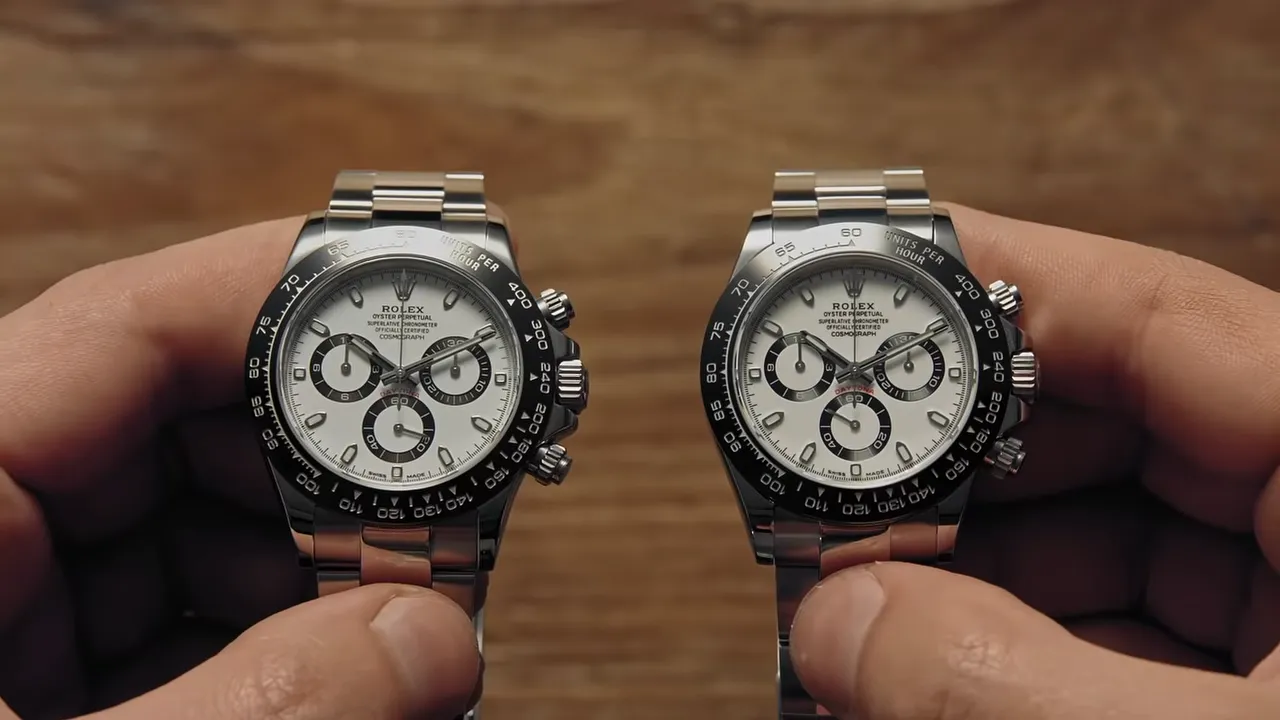
He thought he’d done everything right.
Box. Papers. A seller with a clean profile. Photos that matched the reference number. A face-to-face meeting in a hotel lobby in a respectable European capital. Forty thousand euros, in cash, for a stainless steel Rolex Daytona 116500LN — the white-dial “Panda” that has spent the last five years as the single most-wanted sports watch on the planet.
He walked out feeling like he’d just won.
Two weeks later he took it to an authorised watchmaker for a routine pressure test. The watchmaker popped the caseback, looked inside for less than ten seconds, set the loupe down, and said the sentence that ruined his year:
“Sir, this isn’t a Rolex.”
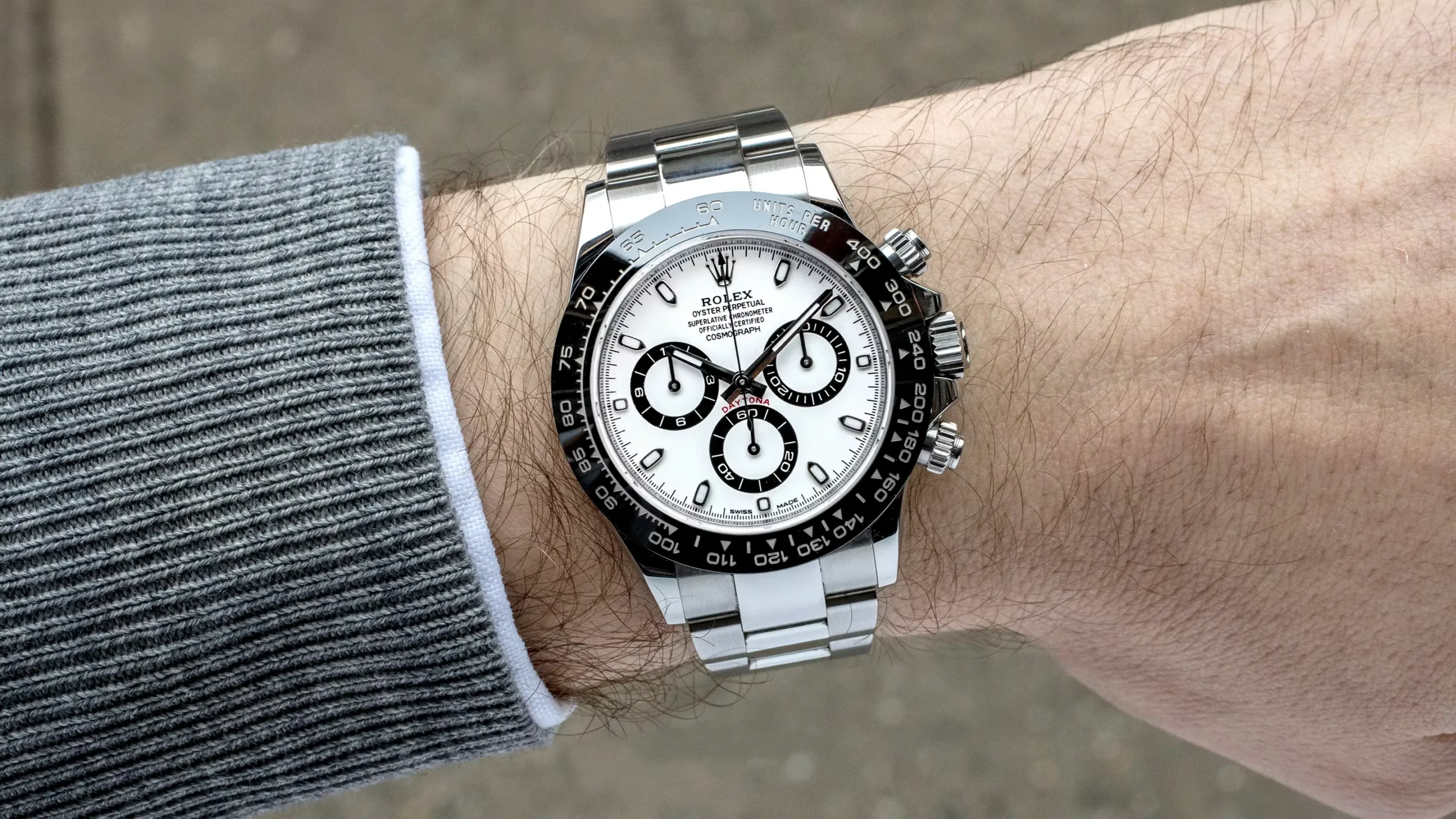
It wasn’t even close. The movement inside wasn’t a 4130. The rotor engraving was wrong. The finishing on the bridges was the kind of work you only see in counterfeits trying — and failing — to look like the real thing. From the outside, the watch was flawless. Same weight, same dial print, same crown action, same ceramic bezel. From the inside, it was a different watch entirely.
He’d paid €40,000 for something that, on the open replica market, costs less than €1,000.
The part nobody wants to admit
This story isn’t rare. It’s not even unusual. It happens every single week, in every major city, to buyers who are smarter, richer, and more careful than most of us. The reason it keeps happening is uncomfortable:
The top-tier fakes have gotten too good.
Not the junk on tourist-trap websites. Not the obvious ones with misaligned crowns and quartz ticks. The high-grade clones — the ones that copy the case dimensions to a hundredth of a millimetre, that use the correct sapphire, that mimic the weight and the lume colour and the bezel click — those are now fooling jewellers, pawn shops, and even some grey-market dealers.
The man in this story didn’t get fooled because he was careless. He got fooled because the fake was good enough to fool almost anyone who wasn’t holding it open on a bench.

Why the Daytona, every time
There’s a reason it’s almost always the Daytona. Stainless steel sports Rolex demand has been on a one-way escalator since 2017. Waiting lists at authorised dealers stretch for years — if they exist at all. Grey-market premiums hit 100% over retail at the peak. When demand outruns supply by that much, the secondary market floods with “great deals from a friend of a friend,” and the counterfeit factories follow the money.
The Panda Daytona is the most copied watch in the world right now. If you’re shopping one in the wild, you are statistically more likely to be looking at a fake than a real one.
So how do you actually protect yourself?
The honest answer most experts won’t give you in print: at the top tier, you can’t, not by eye alone. You need the caseback off. You need the movement compared to a known reference. You need somebody who repairs these things for a living, not somebody who sells them.
We wrote up the full version of this story — including the exact tells the watchmaker spotted, the photos of the fake movement next to a real 4130, and a buyer’s checklist that will actually keep you out of trouble — over on SuperClone Rolex.
If you’re about to spend serious money on a pre-owned Daytona, or you suspect the one already on your wrist might not be what the seller said it was, read the full breakdown of the $40,000 fake Daytona scam here. It’s the most-read piece on the site for a reason.
And if you’d rather sidestep the whole pre-owned minefield — and you’re curious what an honest, openly-sold high-grade Daytona actually looks like, costs, and feels like in the metal — you can browse the full Rolex Daytona super clone collection directly. No box-and-papers theatre. No €40,000 surprise.
Either way: pop the caseback before you pay. Always.